Monthly Archives :

February 2023

hr business solutions

A Complete Guide On HR Business Solutions

A Complete Guide On HR Business Solutions 764 426 HRSG

The numerous approaches, techniques, and instruments companies use to manage their workforces and increase organizational effectiveness are referred to as “HR Business Solutions.”

These solutions deal with various HR-related issues, including hiring new employees, training them, paying them well, managing their performance, adhering to employment rules and regulations, and more.

Many different types of HR business solutions exist, including HR software, outsourcing services, consulting services, training and development efforts, and employee engagement programs.

These technologies enable companies to recruit and retain top employees, enhance their HR processes, and ultimately contribute to their overall success.

Continue reading to learn about some of the most widely used HR business solutions:

HR Business Solutions

  1. The Human Resource Information System (HRIS) is a software program that helps manage employee data, including personal information, benefits, time and attendance, payroll, and performance. The HR department can monitor and evaluate employee data by employing the system’s automation of numerous HR operations.

  2. Applicant Tracking System (ATS) is a software program that tracks and analyzes applicant applications to help HR managers and recruiters manage the recruiting process. This solution simplifies the hiring procedure, increases candidate interaction, and promotes candidate satisfaction.

  3. Learning Management System (LMS) is a software platform that assists in managing and delivering businesses’ training and development initiatives to their staff members. It allows the HR division to plan and carry out training sessions, monitor worker development, and evaluate learning outcomes.

  4. Performance Management System (PMS) is a software system that helps firms in managing employee performance by creating goals, monitoring progress, offering feedback, and carrying out performance reviews. This method assists HR departments in tracking employee productivity and growth and making justifiable judgments on employee promotions, training, and terminations.

  5. Payroll Software automates the calculation and distribution of employee salaries and payments. This technology assures tax law and regulatory compliance, automates tax withholding, and creates tax forms and reports.

  6. Time And Attendance Management Software helps organizations to monitor employee attendance and leave requests. It can also record employee work hours, schedules, absences, and accumulated vacation time. It also creates analysis and reports on this data.


Why Your Business Needs Human Resource Solutions

Human resource solutions are an essential component of every business. It is a strategic approach to managing people, ensuring their skills and talents correspond with the organization’s goals. Human resource solutions are critical to a company’s development and success. This is because they offer a variety of benefits that contribute to a healthy and productive staff.

  1. Help organizations effectively manage their employees. They guarantee that the right people are chosen for the job and that their skills and abilities fit the role’s criteria.

  2. Employee turnover is reduced as employees are more likely to be pleased with their jobs and feel appreciated. It also helps to lower the cost of recruiting, as it is more expensive to hire and train new employees regularly.

  3. Assist businesses in adhering to applicable rules and regulations. This involves ensuring that employees are properly compensated, have a safe working environment, and are treated fairly. Noncompliance with these standards can result in significant penalties and legal action, which can be detrimental to a company’s image and financial health.

  4. Enable businesses to monitor the performance of their employees. They give a structure for establishing goals and objectives, tracking progress, and delivering feedback.

  5. Ensures that employees are working towards the same goals as the business and are fulfilling the anticipated standards. Employees are more likely to be motivated and engaged if they believe their job contributes to the company’s success.

  6. Allow firms to manage the growth of their employees. This includes offering staff opportunities for training and growth and encouraging them to take on new tasks and responsibilities. This ensures that staff always upgrade their skills and talents, which can benefit the company in the long run.

  7. Encourage organizations to manage their employees’ well-being by offering mental health and wellness support and ensuring that employees have a healthy work-life balance. This creates a pleasant and supportive work environment, leading to higher job satisfaction and lower stress levels.


Possible Consequences of Not Using HR Services and Solutions

However, on the other side, if a company does not implement HR business solutions, it may suffer various consequences:

  1. They may fail to properly manage their employees, resulting in high turnover rates and low productivity.

  2. They may violate laws and regulations, resulting in legal action and reputational harm.

  3. Find it difficult to supervise their employees’ performance and growth, which can result in a loss of motivation and engagement.

  4. Maintaining a good and supportive work atmosphere could be difficult, leading to high-stress levels and job dissatisfaction.

To summarize, human resource solutions are vital for any company that provides jobs. They offer many benefits, and their advantages clearly exceed their downsides. Therefore, companies must invest in HR services and solutions to ensure the development and success of their businesses.

Get Finest HR Business Solutions with HRSG

HRSG is the top and leading HR solutions company in the industry, offering its clients a full variety of HR services and solutions.

HRSG delivers cutting-edge HR business solutions tailored to match each client’s unique needs through its innovative and customer-centric approach.

HRSG collaborates closely with its customers to understand their specific requirements and to create personalized solutions that help them accomplish their objectives.

Want hassle-free human resource solutions?

Contact us to fulfill all your human resource needs!

Employee Verification Services

Employee Verification Services

Employee Verification Services 1024 513 HRSG

A potential employee’s background is checked through employee verification services. It searches for discrepancies between an applicant’s education, employment history, and what is on their resume.

The hiring process for new employees needs to be done very carefully. It is vital to choose a suitable candidate for the job, and in today’s time, employee verification is necessary.

It is effective in hiring practice as it captures a better idea of a prospective employee’s ability and performance. This process helps verify an applicant’s credibility during their job application procedure.

Employment verification and services can be viewed as a preemptive measure that ensures the safety and reputation of an organization.

Some individuals are not appropriate for certain positions due to their history and background. For example, someone with a criminal record is inappropriate for a security guard position.

Many employees make false claims about their educational background, work history, duties, or time of employment. To conceal the fact that they have been fired or have not worked at a specific organization, they completely omit facts.

Prospective employees are confirmed through employee verification services to be who they claim to be.

Businesses frequently opt for employee verification services when hiring new employees. However, current employees also request employment verification to be granted a bank loan or visa. Former employees looking for new employment opportunities also contact their employers for a verification letter.

Employee Verification Services – Outsourcing

The employee verification process can also be outsourced, where companies check and verify a prospective employee for you. This reduces the workload for the HR department and the verification procedure being outsourced takes only a few days.

Companies that work on employment verification can provide the correct information. It can be supported by evidence as they cross-check the candidate’s resumes.

Consultancy firms provide employment verification and services, as it is now an essential part of the hiring process. Many companies also directly outsource this service to firms. This tool helps cross-check the whole history of potential applicants.

Companies may often outsource this process to firms to ensure applicants have not lied on their resumes. To increase their chances of being hired, they submit false experiences and references in their resumes. Falsifying such information is very costly to the company, such as interview tools cost, training costs, and time.

Employment verification helps ensure the applicant has the required skills for the job. Employee verification also reveals fabricated work titles, fake employment claims, and education details. Employee verification services are very crucial for the screening process of potential candidates. The service discloses if the candidate is reliable and a good fit for the position.

Verification Major Elements – Education & Work History 

Education and Work history are the significant elements in employee verification that organizations look for when going through resumes. While verifying a candidate’s education, managers ensure that the potential candidate has earned a degree from the college/university.

In which they have studied, graduated, and details about their degree.

Work history verification includes if the candidate has worked in the organizations mentioned in their CV. Apart from this, they also verify the position they worked for and why they left their previous workplace.

The red flags cause managers to do employee verification checks when hiring a potential candidate for a specific position. If an employee refuses a check, this causes suspicion because they are hiding something. For example, a criminal record or if they do not have access to their bank accounts.

An employee verification also reveals if there is a gap in resumes. Candidates also remove information about their past jobs if they had a bad experience or had something to hide.

Employee verification and services check a potential applicant’s credentials, health, work history, and educational background. It involves financial screening, employment history, and criminal record checks of the candidate.

Employment verification may include job performance, references, and reason for termination from a previous job. Qualification, length of employment, wage history, and work-related information of an applicant can also be verified.

Employment Verification And Services – Importance

The employment verification process helps get in touch with the references that the candidates have mentioned in their resumes. It reveals if there are bad or fake references, as negative feedback can affect the organization.

Employee verification and services help identify if a candidate has a criminal record, such as a theft or fraud conviction. This directly affects the company and creates a bad image.

Companies go through this process because it is beneficial to confirm before taking a significant step in hiring a candidate. This helps protect the company from potential harm, which is caused by this decision. Such as loss of money and time on training the employees who were unsuitable for the jobs.

Verification helps the team filter out the candidate pool and focus on the applicants who are more suitable for the job.

Filling vacancies by hiring the best candidate is most important for a team. To prevent mispresented information and false experiences, companies do employment verification to find out authentic information.

Background checks help the management make the hiring process more accessible by validating the candidates’ details and meeting the job requirements. If a criminal history is revealed, it helps identify whether the candidate is fit for the position.

ways to retain employees

Cost-Effective Ways to Retain Employees During a Recession

Cost-Effective Ways to Retain Employees During a Recession 1202 793 HRSG

Businesses are aware that they need to maintain their employees, but the big question is how to do so. During an economic turndown, companies need to survive through it while using cost-effective ways to maintain their people and culture. A lot can be done to retain employees during a recession through cost-effective ways.

Step 1: Workplace Culture

Company cultures are most important when it comes to candidates scouting out new career chances. Making employees feel valued for their efforts, supporting them with their skills, and inspiring them to develop new skills helps retain them. This can be done by the people and culture within the organization.

Step 2: Adaptability

The pandemic has taught us to be adaptable, keeping daily economic changes in mind. Organizations need to make adjustments by giving their employees choices. Working from home and more flexible hours would help them better in managing their time. This way, the people and culture are more organized and productive.


Step 3: Understanding “why”

Many employees leave good positions, and “why” they leave is never resolved. Figuring out and understanding “why” helps organizations cater to their retention strategies. This would help improve the workplace culture, where employees are heard and understood. 

Step 4: Take Initiative

Engagement helps the management identify their employee’s pain points. Coming up with an action plan and implementing it helps with communication. Employees would also know that they are being heard, which would motivate them.

Step 5: Diversity & Equity 

The importance of diversity and equity continues to rise from time to time. Workplace culture with a diversity of ethnicity provides more opportunities and more involvement. When employees are upgrading their resumes and weighing their options, these elements carry significant weight.

There are various cost-effective ways through which organizations can retain their employees during a recession. An organization’s people and culture should be connected so that every achievement should be celebrated. This is when everyone can reflect on their hard work and see it worthwhile.

Celebrating accomplishments with the team that makes them possible sends a message of meaning and belonging. This way, the management can express gratitude to the staff for achieving their goals and aims. One team, one objective! An employee milestone program can be set up where employees are rewarded with presents and bonuses for their work accomplishments.

Maintaining good internal communication is important to stay connected to your people and culture. The pandemic has also created many opportunities for it. There are audio and video communication tools like Teams, WhatsApp, and Zoom. Open communication promotes transparency and teamwork. This gives your team extra support, especially if you’re working remotely.

Cost-cutting is crucial, as a recession can affect a company’s bottom line. Involving employees in planning is a great way to demonstrate transparency, foster team dynamics, and make everyone part of the solution. Organizations can consider stimulating some cost-saving goals with non-monetary perks and gifts to keep things interesting. Be smart and empower your employees to make a difference that benefits everyone.

Team building activities are very effective nowadays. Encouraging creativity strengthens the relationships with colleagues and improves communication between the teams. Many employees prefer staying with the company, making team-building activities and employee celebrations a priority.

Recognizing employees and showing respect brings many positive benefits. Workplace culture should evolve around a respectful work environment. Creating a culture of mutual respect fosters collaboration, improves overall well-being, and supports a creative and fun work environment.

This strategy of retention is fundamental during a downturn because all employees deserve to know their skills and talents are being valued. This encourages employees to do their best. Employees should be given feedback about their work and how they should improve. This gives a say to employees and improves retention.

Employees should be given feedback about their work and how they should improve. This retention strategy will help reach the company’s goals and create communication and improve the people and culture. Promoting a healthier work-life balance in your workplace culture considerably impacts individuals.

It creates a happier workforce through which they will feel personally and professionally fulfilled. Employee productivity will be increased and will help them focus more. This creates greater employee loyalty and commitment since work-life balance will be valued.

Employees balancing their work and personal lives creates a higher level of engagement. Encouraging employees to take the time to prioritize their overall well-being builds trust between the employer and employee.

Effective employee retention saves a firm from productivity losses. Workplaces with high retention tend to have more engaged workers who are more productive and efficient. Such employees improve customer relationships and team working.


upskilling your employees

The Importance of Upskilling Your Employees

The Importance of Upskilling Your Employees 918 602 HRSG

Upskilling is the process of training individuals to improve and become better at their current position. Upskilling your employees allows to learn new skills, making them more adaptable and flexible, allowing you to stay relevant in your industry and market.

We live in a continually changing era. Especially in terms of digitalization, technical developments, and the rise of artificial intelligence. Now that practically every activity can be automated, human employees must adapt to this transformation while also remaining competent in order to stay up with changing times and trends.

Most businesses do not promote staff enrichment. Perhaps because employers are afraid that if their employees were coached, they would leave for another company. This however has to evolve so that fresh ideas, mental processes, and other thinking techniques are embraced.

Advantages of Upskilling Your Employees

Let us go through some of the advantages of employee upskilling:

Switching jobs is not ideal for any business, therefore they must stress staff retention. Employees who believe they are not advancing professionally at their current workplace are more likely to seek new options. That is not what employers’ desire. Especially when they feel that the individual has a lot to contribute and want to keep him.

  1. The first benefit would be that investing in your employees’ education, sending them out for mentorships and training programs would help you in the long term. They would recognize that there is no other greater opportunity available. They will be driven to work with you and progress their careers with you.
  2. It is usually preferable to retain rather than repeat the recruitment and hiring For starters, it consumes a significant amount of time and may result in an increase in advertising costs. Furthermore, recruiting new employees from start means squandering time on on-the-job training. As a result, it is preferable to upskill and enhance current employees.
  3. This brings us to the third and most crucial benefit of employee upskilling. Employee upskilling promotes a learning atmosphere. Such an atmosphere is perfect for the professional development of your staff as well as the growth of your firm. A healthy learning environment promotes better and more collaborative teamwork, which leads to higher productivity.
  4. Furthermore, it gives your company a competitive advantage. Loss of talent is the most catastrophic loss for any organization. So, if your employees have the appropriate abilities for today’s world, you may be able to boost your company’s market position and be well-positioned for the future.
  5. Provide job-specific upskilling training to your employees to help them enhance their present abilities. For example, you may have custom software or a specific method for carrying out a specific task that is only used by a subset of your business. Consider providing upskilling software training or educating company employees who are interested in learning more about working methods.
  6. Encourage teams by eliminating obstacles and allowing them to establish strong their own learning paths. Offering incentives also helps. Employees who upskill in the time allotted are more likely to stay curious, which gives employers peace of mind that they will not lose talent to competitors. Allowing teams to attend seminars during work hours also helps to build employer-employee trust and gives them a better understanding of market trends.
  7. Finally, and most importantly, employee upskilling leads in satisfied employees. Employees that are happy will give you better service. Customers will be pleased as a consequence, leading to repeat purchases. Every company wants to be the first and best choice for their customers, and this is the key to achieving that aim. Upskilling gives staff more assurance in their abilities to do their tasks and provide correct information to clients, resulting in more happy customers for your business.

Staying market relevant and developing such skill sets is critical, and training and retraining helps you to cover any gaps in your company, which is something every employer considers essential.

Finally, the major takeaways from this article are to not be afraid to invest in your human capital. They are your most valuable asset. Motivate them, enrich them, keep them satisfied, and respect their desire for professional and career advancement. It will benefit them and your company in the long run.

smart goals

Pros & Cons of Setting SMART Goals

Pros & Cons of Setting SMART Goals 900 471 HRSG

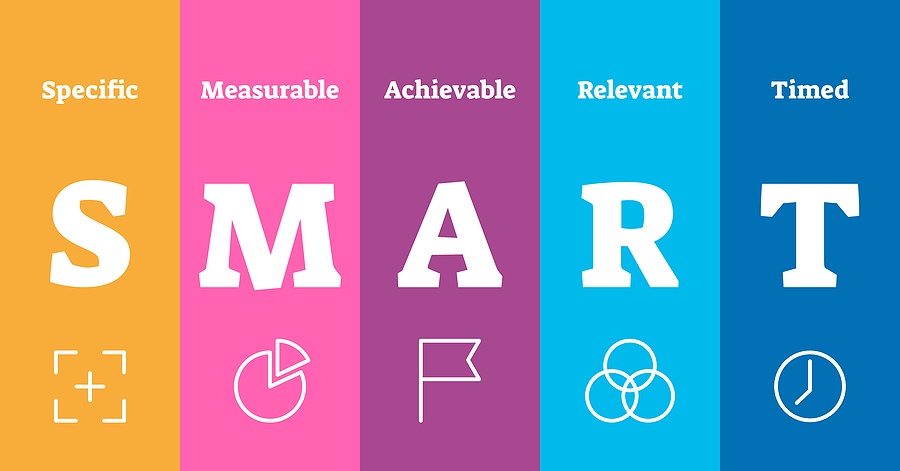
The acronym SMART refers to a tool that enhances productivity. A sense of direction is easily achieved through SMART objectives. SMART Goals allow for focused efforts. And lead to consistent results. They also allow for better clarity.

Let’s define SMART goals. SMART goals are targets. Targets that help with better visualization of strategy.

They are:

  1. Specific
  2. Measurable
  3. Achievable
  4. Realistic
  5. Time-Bound

specific goal must be:

  • Straightforward
  • Reasonable
  • Considered conditions and possible restrictions
  • Have a reasonable timeline

Answer each of the W questions when setting specific goals.

  1. What is the project’s objective?
  2. Why are we employing this specific performance booster technique?
  3. Who is in charge of carrying out the tasks that move us closer to the goal?
  4. Where is the project being completed?
  5. Which resources are essential for the achievement of the objective? Analyze any corresponding challenges or needs. The answer to this query will help you determine whether your goal is feasible.

Measurable in the sense of:

  • Establishing a standard
  • Establishing a checklist
  • Anything else that can be used to gauge progress

Achievable, in the sense of:

  • Being attainable
  • Reachable

Realistic, in the sense of:

  • Being meaningfully rational.
  • Sensible
  • Pertinent

When it comes to goal setting, realistic timing is critical. If you do that, you will likely make it to the end. Inquire about the goal deadline in detail. Determine in advance which tasks can be completed within that time frame. For instance, you set a timeline of 6 months. Ensure that you have reached nearly 50% by the third month.

Time is money. Therefore, the goals must be time-boundAnyhow, a too-broad plan will only do something to drive the person. Thus, it’s of little use. You would be more motivated and under pressure, if you gave your objective a deadline. Since timelines develop a healthy and necessary sense of urgency.

To evaluate the relevance of your established smart goals, look at how long it took to complete a previous goal that was successful. You can then apply that time frame to your present plan. In light of their clarity, SMART objectives are occasionally essential and generally beneficial.

You can focus your time and energy where it is most required. This will help you avoid wasting time on trivial details preventing you from achieving your ultimate objective.

Setting goals also fosters a collaborative and productive work atmosphere for the employees, which enriches the organization. The pursuit of predetermined goals aids in employee motivation. It instills a feeling of accountability because progress is tracked and assessed and may even result in rewards that serve as incentives.

Now let’s discuss the pitfalls of setting smart objectives. The positives outweigh the cons, and this one may easily be avoided if you train your mind to be cautious. Setting SMART goals may cause someone to become unhealthily obsessive and create a feeling of wanting more.

Investing your time, effort, and resources in a single objective could limit your imagination in other domains. Setting realistic goals will keep you on track. They might, however, keep you from pushing yourself to your fullest ability. Setting simple goals may also prevent employees from reaching their bare minimal potential.

Predetermined goals that are challenging to accomplish will give them a chance to advance. They will also grow to feel more enriched as a result of this.

In addition, it could be disheartening or lead to a feeling of failure if, for any reason, you cannot accomplish your objective or a smaller target within the larger goal. However, it’s important to persevere and not give up or lose spirit.

In conclusion, setting SMART goals for your professional, academic, and personal life can significantly impact your life. Pursuing your dreams and putting a lot of effort into your goals can be challenging. It won’t be simple, but the key is to continue through the hurdles.

You only need to work on your mindset. Learn any necessary skills. Take a single step forward. Sometimes all it takes is a push in the right direction. You’re already on the right track with one step. Reward yourself once you’ve finished. You deserve a pat on the back. Take calculated chances and keep trying. Utilize your journey to its fullest, take lessons from it, and use smart goals as milestones.


Image Enquiry