Monthly Archives :

May 2025

UAE Employment Visa

How to Get a UAE Employment Visa: Step-by-Step Guide

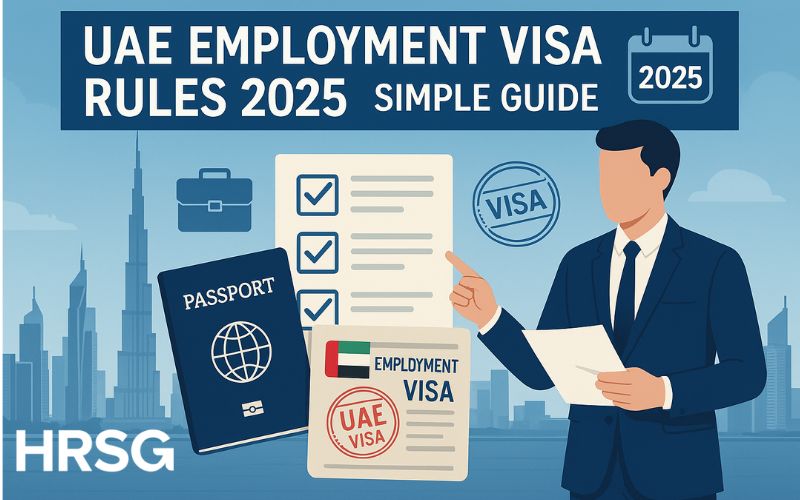
How to Get a UAE Employment Visa: Step-by-Step Guide 800 500 HRSG

The number of expats and skilled workers looking to secure employment in the UAE is growing every day. The UAE’s strategic location, innovative infrastructure, tax-free income, and business-friendly policies are just a few factors that make it an ideal destination for professionals from all walks of life.

Another factor that contributes to this large number of expats (about 88% of the population) in the UAE is its relaxed and simple employment visa requirements. But what steps must one follow to get a UAE employment visa​? This is what most people looking for career opportunities in this region struggle.

This blog contains a detailed step-by-step guide on how you can successfully obtain a UAE employment visa. By following these simple guidelines, you can easily get your UAE work visa and pursue your career in the region, so keep on reading until the end.

  • UAE Employment Visa: Eligibility Criteria
  • Documents Needed for Obtaining an Employment Visa​ in the UAE
  • Step-by-step Guide to Getting an Employment Visa in the UAE 
  • UAE Employment Visa Application Fee
  • UAE Employment Visa Cancellation

UAE Employment Visa: Eligibility Criteria

Before applying for this visa, you must first meet the following UAE employment visa requirements

  • The candidate applying for the visa must be 18 years of age or older. 
  • The candidate’s passport must be valid for at least 6 months beyond their stay period.
  • The employer sponsoring the candidate must possess a valid trade license and have no prior violations.
  • The job role for which you are applying must match the company’s activities.
  • The candidate can only work for the employer who is their sponsor.
  • The candidate must fall into one of the three skill or qualification classification categories, including Category A: Bachelor’s degree, Category B: Post-secondary diploma, Category C: High school diploma
  • Candidates must have a valid employment contract with a sponsoring UAE-registered company or employer.
  • Based on the occupation, candidates must have at least 2-5 years of post-qualification experience.
  • The candidate must have a clean criminal record and must show willingness to undergo police clearance.
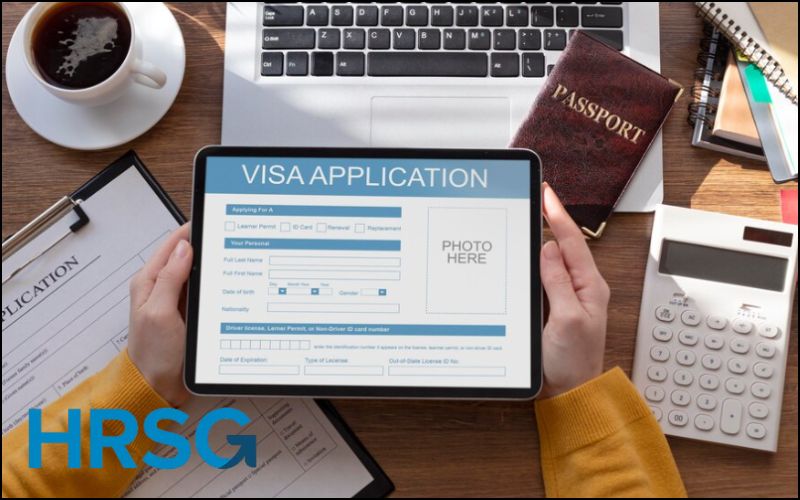
UAE Employment Visa Application


Documents Needed for Obtaining an Employment Visa in the UAE

Here are a few key documents you must gather before proceeding with the application:

  • A copy of your valid passport
  • A passport-sized picture preferably with a clear or white background
  • Copies of your academic certificates verified by the Ministry of Foreign Affairs of your country and the UAE embassy
  • Medical certificates from UAE-approved health centers
  • Commercial license of the company or the company card of your employer
  • Entry Permit from the Ministry of Labor
  • Signed copy of the employment contract
  • Professional licenses, if applicable, i.e., for doctors, engineers, technical experts, etc.
  • Experience letters, if applicable
  • Emirates ID application form
  • Translated and attested police clearance certificate from the country of your residence
  • Copy of the trade license of the sponsor

Step-by-step Guide to Getting an Employment Visa in the UAE

Now that you have gathered all the required documents, let’s go one step further and look at the UAE employment visa process that you have to follow.

  • Get the Entry Visa Quota Approval

The process starts when the employer applies for the entry visa quota approval from the MoHRE (Ministry of Human Resources and Emiratisation). The quota varies from Emirate to Emirate.

For instance, Dubai-based employers can apply for one visa per nine square meters of office space. To increase the quota, they either have to move to a larger office or request a quota upgrade.

  • Submit a Signed Employment Contract

After that, you need to sign an employment contract in English, Arabic, and the native language of the employer and submit it to MoHRE for approval.

  • Work Visa Application Submission and Applying for an Entry Visa

Then the employer submits the work visa application, which contains your educational documents, passport, employment contract, etc. This application is reviewed and approved by the Ministry of Labor.

Then the sponsor can apply for the entry or residence visa on your behalf.

  • Get Your Employment Entry Visa

After that approval, you are issued a pink visa, which is valid for about two months. 

This visa allows you to enter the UAE and complete your remaining visa procedures, like getting an Emirates ID, health certificate, etc.  

  • Apply for Emirates ID

After your arrival, you will need to apply for the Emirates ID. This ID links to the candidate’s residency visa and serves as a key identification document.

To get this ID, you have to visit the Emirates Identity Authority (EIDA) center. Here, you will give your biometrics and present supporting documents like a passport and entry visa.

  • Get a Medical Certificate

Now you can visit a government-approved medical center in the UAE for some basic tests. The results of these tests affect the residency visa approval. The medical screening includes tests for fitness, HIV, hepatitis, tuberculosis, and other infectious diseases.

These tests should be taken within 14 days of your arrival. After obtaining certificates, the employer applies for the residency visa via the ICS website.

  • Submit Labor Contract

Within 14 days of the medical screening, the employer has to submit the labor contract to the MoHRE for review and attestation. This contract lists your terms of employment and is registered with the ministry.

  • Get Health Insurance

Next, you need to get health insurance from your employer, which covers basics like hospitalization, doctor visits, major medical procedures, etc. This insurance is mandatory for all employees in the UAE, as the MoHRE does not renew work visas if an employee doesn’t have a valid health insurance card from their employer.

  • Receive Your Employment Visa

It takes about five days after the previous step for you to get approval for the official work visa from the MoL (Ministry of Labor).

Employment Visa Processed

  • Get the Residence Visa 

Now the employee can apply for the residence visa by filling out the application and attaching the required supporting documents. This visa was initially stamped in your passport by the GDRFA. But now, the visa status and information are linked to your Emirates ID, which eliminates the need to physically get your visa stamped in your passport.

This renewable visa is valid for about two years, and it is necessary for completing formalities like registering cars, opening bank accounts, setting up a PO box, etc.

UAE Employment Visa Application Fee

Here is a brief overview of the fee you must pay to get this visa 

  • AED 200 is charged for all categories for requesting initial approval of an electronic work permit.
  • The fee for the approval of the new work permit for Category 1 is about AED 300.
  • The fee for category 2 is further divided into levels as follows i.e.: AED 600 for level A, AED 1,500 for level B, and AED 2,000 for level C.
  • For category 3, the fee is AED 5000.

The fee for the UAE work permits is usually covered by the sponsoring employer.

The employment visa cost in UAE​ can be between AED 1400 to AED 1800 based on your service provider and the Emirate you are planning to go to for work. The breakdown is as follows.

  • The fee for an entry permit = AED 200
  • Fee for medical fitness test = AED 300-600
  • Fee for Emirates ID issuance and biometrics = AED 170
  • Fee for Labor Contract Registration = AED 200
  • Fee for residence visa stamping = AED 600
UAE Employment Visa Approved

UAE Employment Visa Cancellation

The employment visa cancellation in UAE is initiated by the sponsor. The sponsor can either cancel the visa in person by visiting the offices of the GDRFA (General Directorate of Residency and Foreigners Affairs) or they can do it online through the GDRFA or Federal Authority for Identity and Citizenship websites.

Before canceling the employment visa, the sponsor first has to cancel the work permit or labor card of the worker through MoHRE’s website. The cancellation fee for this visa is AED 110 which is paid by the sponsor. The cancellation fees for the entry permit, work permit, and exit permits are AED 50 plus AED 10 for E-Service each.

After visa cancellation, you are given a 30-day grace period within which you can either change the visa status or exit the country. Staying longer than that may lead to fines or penalties.

Conclusion

When applying for a UAE employment visa, you have to meet every eligibility requirement and gather all the authentic and verified documents. This is only possible when you take the time to gather information regarding the UAE’s latest employment visa policies from a trusted source.

By following the above-mentioned steps, you can easily avoid making major errors when applying for this visa. You can also seek assistance from a reputable service that specializes in handling employment visa applications for the UAE. Their expertise and comprehensive support will streamline the process and ensure you are able to settle in and start your work in the UAE right away.

Contact us at HRSG if you wish to build a successful career in the UAE or you want to take your existing business to new heights. Our dedicated team will ensure a consistent growth in your every business endeavor with its expert insights and vast experience working in this region.
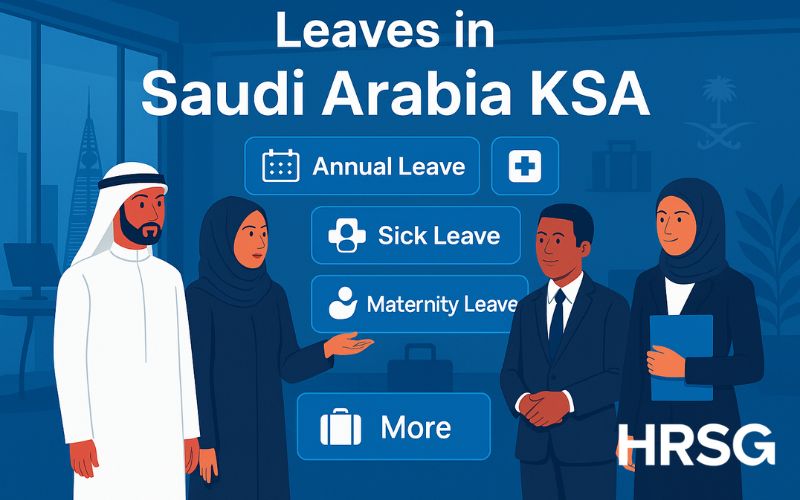

Leaves in Saudi Arabia KSA

Leaves in Saudi Arabia KSA: Annual, Sick, Maternity, and More

Leaves in Saudi Arabia KSA: Annual, Sick, Maternity, and More 800 500 HRSG

The Kingdom of Saudi Arabia (KSA) has emerged as a rapidly growing economy with a staggering GDP of 1,109.5 billion USD in 2024. This figure is projected to reach 1,276.03 billion USD by 2028, which goes to show how much potential it has for businesses looking to expand and for individuals looking to advance professionally with lucrative career opportunities.

The workforce of KSA comprises millions of local and skilled expatriate workers and there are robust laws in place to safeguard their rights. One such law is the statutory leave policy of the KSA, which outlines the regulations for leave in the region.

This blog gives you detailed insights into the leave entitlements in Saudi Arabia under the Saudi Labor Law. It covers conditions and rules for different types of leaves in the KSA, like sick leave, paternity leave, annual leave, and more, so keep on reading till the end.

  • Annual Leave
  • Official Public Holidays
  • Sick Leave
  • Maternity Leave
  • Marriage Leave
  • Paternity Leave
  • Disability Leave 
  • Examination Leave
  • Iddah Leaves
  • Hajj Leave
  • Bereavement or Compassionate Leave
  • Annual Leave

Every employee is entitled to a specific number of annual or earned leaves in the KSA under Article 109 of the KSA labor law. Following is a detailed account of these leaves to give you a better picture.

  1. Employees who have served an organization for more than five years are entitled to 30 days of paid annual leave. The workers with less than 5 years of service time at a certain business entity get 21 days of fully paid annual leave.
  2. The annual leaves are determined based on the number of calendar days. However, consequent to the approval of the employer, the employees can postpone their leaves to the next year if they wish to do so.
  3. Article 110 of the labor code gives employers the full authority to decide when employees can take their paid annual leave. However, they cannot delay annual leave more than 90 days after the end of the year.
  4. In case the work conditions demand a delay in the vacation leave, the employer must obtain written consent from the employee. It is worth noting that the postponement cannot be extended beyond the following year from the time when the leave was initially due. 
  5. Article 111 of the Kingdom of Saudi Arabia labor law suggests that employees have the right to claim their accrued leave balance if they are leaving the job without utilizing their annual leave period.
  6. Employees on annual leave are prohibited from working for any other employer as it is considered a serious offense. If found guilty of this crime, the employer has the right to deny their pay for the paid leaves for that period. They can also demand payment for earnings given to them.  
  7. The employer has the right to terminate an employee without pay if they take leave for 15 consecutive days without approval from the relevant department. The same rule applies if they take 30 days of unapproved leave in a year. In the former case, the employer must give a warning preferably written to the employee following 20 days of non-consecutive absence. In the latter case, following 10 days of consecutive absence the employer must issue a warning of termination.    
  8. The employer cannot terminate the worker while they are on paid annual leave in any case.

Annual Leave KSA

  • Official Public Holidays

The labor laws in the KSA clearly specify public paid holidays as well. Following are some key official public holidays in the KSA you need to look out for 

  • Eid Al Fitr
  • Eid Al Adha
  • National Day: 23rd September
  • Foundation Day – February 22
  • Saudi Flag Day
  • Government Holiday

Employees working on public holidays must get proper overtime pay from their employers according to the rules specified under the labor law. The employer must pay the hourly salary along with 50% of the basic pay as overtime pay to their employees if they are working on these days to make sure they are fully compensated for their time.

  • Sick Leave

The employees can take sick leave in Saudi Arabia continuously or intermittently for 120 days every year. Here are some important considerations 

  1. The employees get fully paid sick leave for the first 30 days. 
  2. After the first 60 days of sick leave, they get 75% or three-quarters of their total monthly pay.
  3. After 90 days the remaining leaves are unpaid.
  4. Employees during the probation period cannot get sick leave in the KSA unless they meet a specific criterion. They can get sick leave after completing a 90-day probation period.
  5. Article 82 of the KSA labor law establishes that the employer has no right to terminate an employee while they are on approved sick leave. 
  6. The sick leave after 90 days falls into the unpaid sick leave category, which is different from regular unpaid leaves. These leaves are counted when figuring out the service time of the employee in their organization.
  7. This leave has no bearing on the calculation of end of service benefits, gratuity, payroll accrual, and overdue vacation calculations.
  • Maternity Leave

  • The approved duration for this leave​ is about ten weeks in KSA. The exact dates are decided as per the discretion of the female employee. The leaves may begin 4 weeks before the expected date of delivery.
  1. Female employees also get six weeks of paid leave after the delivery date of the child. They can extend this leave for two months without pay.
  2. Employees can get one month’s leave with pay at the end of the maternity leave if their child is sick and needs proper attention from the mother. The employees are free to extend this leave to an additional month with no pay.
  3. If you are on maternity leave, you are allowed to combine it with your annual leave to get a maximum of 180 days of leave to rest and recuperate better.
  4. The unpaid maternity leaves are a part of the calculations when it comes to the service period or gratuity of the said employee.
  5. An employer has no power to terminate someone on maternity leave or when they face complications during pregnancy or following the delivery.
  6. Additionally, new mothers also get an additional one-hour nursing break for the first year after the delivery. These nursing breaks are a part of the working hours of the employee who has just had a baby.

Parental Leave KSA

  • Marriage Leave

According to Article 113 of the labor law, employees getting married are entitled to 5 days of paid marriage leave in Saudi Arabia to celebrate this important milestone in their lives. 

  • Paternity Leave

The male employees expecting a baby are entitled to 3 days of paid paternity leave in Saudi Arabia after the birth of their baby.

  • Disability Leave 

The KSA labor law suggests that employees injured will get 30 days of emergency leave. The leave of the next 60 days will be with 75% pay. The leaves after 90 days will be unpaid according to the law.

  • Examination Leave

The employees pursuing education are entitled to leave during exams, the exact number of which depends on the number of papers they have to take to pass the courses.

  • Iddah Leaves

After the death of their husband, Muslim women must complete the Iddah period, which is about 4 months and 10 days. The KSA labor code suggests Muslim women are entitled to paid leave for this period.

Non-Muslim female employees are entitled to 15 days of paid leave to mourn the loss of their spouse. 

  • Hajj Leave

Muslim employees are entitled to 10 to 15 days of paid Hajj leaves including the Eid Al Adha holidays. The employees cannot take a hajj leave more than once during the service within a company. Additionally, this leave is given only when the employee has not already performed Hajj before.

Moreover, employees who have been with a company for more than two consecutive years are the only ones who can qualify for this leave.

  • Bereavement or Compassionate Leave

Employees are also entitled to paid leave in the case of the death of their first- or second-degree relatives, like spouses, parents, grandparents, children, and other ascendants or descendants.

In this case, such employees are granted 5 days of paid leave to mourn the loss of their loved ones.

Conclusion

The Kingdom of Saudi Arabia has well-established laws to protect the rights of its workforce. The workers in the region are entitled to annual, public, and additional holidays such as Sick, Maternity, Iddah, Hajj, and Marriage Leave. If an employer fails to comply with these regulations under the KSA labor law, they will have to face serious financial and legal consequences.

Employees must familiarize themselves with the leave rules in the KSA to make sure their rights are protected, and employers must do so to streamline operations and tasks like payroll calculation and employee management.

You can visit us at HRSG if you are looking to get the best recruitment, payroll, accounting, tax, and audit compliance services for your businesses all over the world.

New Employment Visa Rules in UAE 2025

New Employment Visa Rules in UAE 2025? A Simple Guide

New Employment Visa Rules in UAE 2025? A Simple Guide 800 500 HRSG

The UAE has become the top destination for skilled workers from all over the world looking to advance their careers and have a meaningful and fulfilling work experience. This region attracts millions of expats every year owing to the relaxed UAE employment laws, unparalleled infrastructure, and countless growth opportunities that it has to offer.

The number one requirement for securing a good job in the UAE is to get a valid employment visa. However, due to a huge influx of skilled professionals in the region, the employment visa rules are often subject to change.

Without having a grasp on the new employment visa rules in the UAE, it is not possible for you to access the myriad career growth opportunities that this place has to offer.

But don’t worry, because this is what this entire blog is all about. This article lists some new employment visa rules in the UAE that you must keep in mind while applying to increase your chances of success, so read on to learn more.

  • UAE Employment Visa Types
  • New Employment Visa Rules in the UAE 2025
  • The Criteria for Eligibility
  • Document Requirements
  • Flexible Work Visa Rules
  • New Visa Rules for Job Seekers
  • Additional Notable Changes in the UAE Visa Rules 
  • Extended Golden Visa Eligibility
  • Easier Family Sponsorship
  • Green Visa Expansion
  • Visa Applications Fee and Processing Time
  • Cancellation Process for Employment Visa

UAE Employment Visa Types

The following are some basic UAE visa types according to the new employment rules.

  • Standard Work Visa

This visa is sponsored by an employer and allows employees to work in the UAE for that sponsor. This renewable visa has an initial validity of 2 years. Employers from private, government, and free zone entities can hire recruitment services to initiate standard work visa processes for the talent of their choice.

  • Green Visa

The green visa was launched in 2022 in the UAE with the aim of attracting skilled entrepreneurs, freelancers, and investors. This renewable visa has no sponsorship requirements, and it is valid for five years. Professionals who meet the green visa criteria enjoy more flexible residency and work regulations in the UAE.

  • Freelancers/Self-Employed Visa

This is a new type of employment visa that is issued to professionals with specialized diplomas or Bachelor’s degrees and proof of a freelance permit. Individuals with an annual income of AED 360,000 in the previous two years are eligible for this visa.

  • Skilled Employees

This visa is given to professionals whose skill level falls into the 1, 2, or 3 categories as specified by the UAE labor laws. Candidates with a bachelor’s degree and AED 15,000 monthly earnings can apply for this visa.  

  • Golden Visa

The golden visa is given to investors with deposits or properties worth over AED 2 million, or projects valued at AED 500,000. This visa is also offered to specialists in the fields of medicine, education, sports, etc. This visa has a validity period of 10 years.   

  • Job Seeker Visa

This visa is issued to professionals who meet specific qualifying requirements. It gives them permission to travel to the UAE and find work that suits their talents.

Visa Application UAE

New Employment Visa Rules in the UAE 2025

The employment visa rules outline several requirements that every candidate looking for career opportunities in the UAE must meet. The employment visa is issued to skilled professionals by employers based in the UAE.

These employers must have a valid business license, and they must not be involved in any labor law violation to be eligible to sponsor work permits.

The following are some key visa rules that you must keep in mind when applying for work in the UAE.

  • The Criteria for Eligibility

The new employment visa rules in the UAE state more relaxed eligibility criteria. According to these rules, you are eligible for this visa if:

  1. You are 18 years or older.
  2. You have a clean criminal record and proof of medical fitness from UAE-authorized health centers.
  3. You have a valid passport for at least 6 months beyond your intended stay period in the UAE. 
  4. You have a post-qualification work experience of 2 to 5 years.
  5. The sponsor has a valid license.
  6. You belong to one of the following three skill classification categories, i.e., category 1: Bachelor’s degree holders, category 2: Post-secondary diploma, or category 3: High school diploma.
  • Document Requirements

According to the new employment visa rules, every candidate must prepare the following documents to obtain the visa.

  1. A passport with at least six months validity
  2. Recent passport photos with a white background
  3. Entry permit issued by the Ministry of Labor
  4. Signed official employment contract
  5. Health Insurance
  6. Copies of education records
  7. Employer data, like a trade license and company card
  8. Medical screening clearance
  9. Police clearance certificate
  10. Emirates ID application form completed via the ICP portal or a registered local typing center
  11. Professional licenses for healthcare experts, teachers, engineers, etc.

Visa Stamped UAE

  • Flexible Work Visa Rules

The new employment visa rules offer increased flexibility and longer validity for foreign workers. The new rules allow for multiple entrances as well as a 90-day stay per visit. Apart from that, the authorities have also introduced remote work and freelancer visas under very relaxed conditions to further attract top talent.

  • New Visa Rules for Job Seekers

There are also relaxed regulations for new job seekers according to the new rules. Now, recent graduates from top universities and competent professionals can get employment visas with up to 120 days’ validity.

  • Reduced Processing Time

Various online methods have been introduced in the application process to simplify the procedure and reduce the processing time. The whole process from getting an entry permit to residence visa stamping only takes about 2 weeks.

  • Job Exploration Visa

The UAE authorities have introduced a job exploration or job seeker visa as well. This short-term visa is for professionals and fresh graduates from the top 500 universities approved by the Ministry of Education who have graduated within the last 2 years and are seeking a job in the UAE.

  • Additional Notable Changes in the UAE Visa Rules

The new employment visa rules give the residents of the GCC an extended validity and flexibility with the E-visa option.

People who have made their mark in the field of environmental sustainability through activism, research, or conservation efforts in the UAE are eligible for a 10-year resident permit with their Blue Residence Visa. These people can either nominate themselves or be nominated by appropriate authorities for this visa.

Another new step is the introduction of the Dubai Gaming Visa. This 5 to 10-year visa is given to e-sport experts who are at least 25 years of age and are known throughout the gaming industry for their accomplishments or contributions.

  • Extended Golden Visa Eligibility

The golden visa has been extended to add professionals from more sectors, like medical, IT, engineering, etc. It is also offered to outstanding academic students, investors, and entrepreneurs with approved projects or business plans.

  • Easier Family Sponsorship

The new employment visa rules have made family sponsorship easier by lowering minimum salary requirements and extending residency for dependents. It also allows unmarried kids to stay indefinitely with their sponsor.

  • Green Visa Expansion

The green visa has also been extended to include longer durations (up to 5 years) and diverse job categories. This visa can be issued to skilled workers, investors, or freelancers, even without any sponsor. The new rules also permit sponsorship of family members to further facilitate expat workers.

Visa Application Approved UAE

  • Visa Application Fee and Processing Time

The visa application fee for 2025 is estimated to be between AED 1,400 and AED 1,800. The fee varies based on the Emirate and the service provider you choose. The whole process typically takes about 2 weeks.

  • Cancellation Process for Employment Visa

The cancellation of the employment visa is also pretty straightforward. Only the employer who sponsored the visa can cancel it by submitting a request to the MOL or ICP. The employer has to clear the dues and obtain a signed cancellation consent. After cancellation, a 28-day grace period is given to the employee to change the status or exit the country without any fines.

The charges for entry permit, residency permit, or exit permit cancellation are AED 50, with AED 10 for e-Services.

Conclusion

Getting a UAE employment visa is not as complicated as you might think. By knowing the latest regulations, preparing the right documents, and following the correct visa application submission steps, you can easily get your UAE employment visa and start pursuing your career goals right away.

The information provided above can navigate the application process smoothly without major errors. So, make sure to consider it before you apply for employment in the UAE.

It is also a good idea to consult professionals who specialize in the UAE visa rules and have deeper insights into the job market in this area. This can save you so much time and trouble while you get your employment visa.

You can contact us at HRSG if you are looking to grow your career or expand your business in the UAE. Our experts can help you better navigate UAE’s changing visa and employment policies to ensure you get the results that you desire.

Mission Visa UAE

Mission Visa UAE: Duration, Requirements, Costs, and Benefits Explained

Mission Visa UAE: Duration, Requirements, Costs, and Benefits Explained 800 500 HRSG

Mission Visa UAE was announced in February 2022 by the UAE government. Also known as a Visit Visa for Work assignment, it is a single entry visa designed for professional workers who wish to work in the UAE. 

  1. What are its requirements? 
  2. How long is it valid? 
  3. How much does a mission visa UAE cost? 

We will be answering all of these questions and more in this blog for you. 

Mission Visa UAE: Introduction

Mission Visa UAE is a short-term work permit provided to eligible and experienced professionals. It is a single-entry visa that allows them to work in the UAE for limited-time assignments or on a project basis. 

In contrast to long-term residence or employment visas, Mission Visa UAE lets these individuals lawfully remain in the UAE for a maximum of 90 days. It is an ideal option for companies that have short-term labor needs or are looking to hire experts on a project-to-project basis. The visa is issued by the UAE Ministry of Human Resources and Emiratization (MOHRE). 

Note: It is different from the Special Mission Visa, which allows an individual to stay in the UAE for 16 days. It is non-renewable and non-extendable. Moreover, it is issued by the Department of Naturalization and Foreign Affairs. 

Work Permit Application

Requirements for Mission Visa UAE

The Mission Visa UAE requirements are quite simple. Below is a quick overview from the employer as well as the employee’s perspective. 

Employer Eligibility

As an employer, you must have the following to be able to sponsor a Mission Visa:

  • Valid trade license in the UAE
  • Be registered with MOHRE
  • Obtain a mission visa quota approval from MOHRE

Eligibility criteria and visa quotas vary depending on the company’s activities and are determined by the Ministry of Labor.

Employee Eligibility

As an employee, to be eligible for a mission visa, you will need:

  • Valid passport
  • Clean criminal record
  • Relevant qualifications and experience for the job 

Documentation for Mission Visa UAE

Below is a quick overview of the documents you will require for this visa. 

Employer

  • Copy of company’s trade license 
  • Active labor card
  • MOHRE approval 
  • Quota approval for the position.

Employee

  • Valid passport
  • Medical fitness certificate
  • Educational qualification certificate as required based on the role 
  • Employment offer letter 

Duration of the Mission Visa UAE

Mission Visa UAE is valid for up to 90 days. The visa is non-extendable and non-changeable.  If you want to apply for a new mission visa, the current visa must be canceled and the employee must exit the country before you reapply.  

Moreover, exiting the UAE before utilizing or completing the visa duration may result in automatic cancellation. In this case, if they wish to return, they will have to apply for a mission visa again. 

Process of Obtaining a Mission Visa UAE

The process of obtaining a mission visa in the UAE is fairly lengthy. Here’s all the details you need to know about the process. 

1. Apply to MOHRE for a Mission Visa Quota

Unless and until the Ministry of Human Resources and Emiratisation approves the mission visa (60 days) eligibility of your company and the visa quota, you cannot make any hiring. 

This registration and application process for the UAE Mission Work needs to be carried out by the PRO (Public Relations Officer) of the hiring company. Once they submit the necessary documents as required by the MOHRE, the company will receive the eligibility criteria and the quota percentage. 

2. Submit Mission Visa Application

Once you have the quota approval, collect the necessary documents from your new hire, including a copy of your passport, educational certificates, and medical fitness report. Make sure that the information on these documents is consistent and has no errors. 

The employee will also have to sign the mission visa application. Submit the application via MOHRE’s online portal. 

3. Submit Mission Visa Entry Permit

Once the mission visa application is approved, submit the mission visa entry permit. Only after this entry permit has been granted can the new hire enter the UAE. 

4. Post-Entry Checks

Upon arrival, the employee gets an entry visa stamped on their passport. They will also have to submit a copy of their UAE mission visa to their employer. They may also have to undergo medical tests for final clearance. 

Additionally, the employee will have to apply for a labor contract. They should read the terms carefully, sign them, and submit them for approval. Once approved, the employee gets a labor card and a UAE labor contract.

Mission Visa Cost UAE

The cost of the Mission Visa application is AED 100. However, the overall cost may range from AED 3,000 to AED 5,000. The final cost includes several factors:

  • MOHRE application fees 
  • Medical examination costs 
  • Processing fees for documents
  • Insurance costs 

Mission Visa Processing Time and Renewal

The process of obtaining a mission visa may take up to 2 weeks, from applying for the mission visa quota to receiving a labor card and being able to work in the UAE. 

A second visa can be applied once the employee exits UAE and their labor card has been cancelled. 

What If You Overstay?

Overstaying on a Mission Visa may result in hefty fines, deportation, or bans from entering the UAE for some time. Thus, it is wise to be mindful of your stay on the visa and exit the UAE before the visa expires. 

Benefits of Mission Visa UAE

There are significant benefits to obtaining a mission visa. Some of the most significant ones are listed below for you:

Salary Efficiency

Mission Visa allows you to get skilled workers for your projects without binding them to long-term contracts and the financial burden that comes along with it. Moreover, sponsoring employees for short-term projects does not always have to be heavy on your pocket. 

Faster Processing

The processing time for this visa is comparatively quicker than that of other employment visas. 

You’ll Never be Short-Staffed

As a company, you may not always need an individual with niche expertise on board with you full-time. Mission Visa allows you to bring these experts on board whenever you want. It also gives you the freedom to pick your expert from wherever you want. This means that as a business, you can always have some experts on the roster with you and get them to contribute when you wish. 

Conclusion

Mission Visa UAE makes it significantly easier to meet your short-term staffing needs for specific roles and projects that require expertise that may not be available. The best thing about the visa is its faster processing time. That being said, it demands equal responsibility and scrutiny like other visas as an employer. You must be careful of the mission visa quota assigned to you and act accordingly. 

HRSG is a globally renowned HR & Payroll service company in Dubai. We work closely with each of our partners, providing strategic and innovative solutions. Reach out to us to understand how Mission Visa UAE can be particularly beneficial for your company and how we can obtain it for you on your behalf. 

What Does a Payroll Company Do?

What Does a Payroll Company Do and Why Does Your Business Might Need One?

What Does a Payroll Company Do and Why Does Your Business Might Need One? 800 500 HRSG

Payroll is one of the most sensitive and compliance-heavy areas in your business. You are not just paying people. You are also managing taxes, deductions, legal obligations, and deadlines that can’t be missed. 

Get it wrong, and the consequences can be immediate and painful:

  • Employees lose trust when pay is delayed or inaccurate.
  • Tax agencies may impose fines or conduct audits for late filings or misclassifications.
  • You spend hours untangling errors instead of focusing on growth.

In short, mishandling payroll can damage both morale and your bottom line.

That’s where a payroll company takes the complexity out of payroll, handles the admin, and keeps you compliant. But what exactly do they do, and why might your business benefit from hiring one? Let’s break it down.

What Is a Payroll Company?

A payroll company is a third-party service provider that manages all aspects of paying your employees. From calculating salaries and tax deductions to issuing payslips and ensuring compliance with tax laws, they handle the intricacies of your payroll operations.

What Does a Payroll Company Do?

Here’s a closer look at the specific services offered by most payroll companies:

1. Employee Payment Processing

At its core, payroll involves making sure employees get paid the right amount, on time. A payroll company:

  • Calculates gross wages based on hours worked or salary
  • Deducts income tax, insurance, retirement contributions, and other withholdings
  • Processes bonuses, commissions, reimbursements, and overtime pay
  • Ensures correct net pay is deposited to each employee’s account

2. Tax Filing and Compliance

Staying compliant with tax laws is a major mandate for businesses. Payroll providers take this off your plate by:

  • Calculating federal, state, and local payroll taxes, like social security, medicare, state income tax, and local city tax
  • Filing tax returns on your behalf, quarterly and annually
  • Managing year-end forms for full-time employees, freelancers, or contractors
  • Keeping track of changing tax laws and regulations.
  • Handling tax notices or inquiries from authorities, like penalty letters or state audit requests

Payroll & Taxes

3. Direct Deposit and Pay Stub Generation

Instead of issuing physical paychecks, automatically transferring employee salaries to their bank accounts is faster, safer, and more convenient. Payroll companies:

  • Set up and manage direct deposit for employees
  • Issue physical or digital pay stubs with detailed breakdowns
  • Provide access to employee portals for pay history and tax documents

4. Employee Onboarding and Data Management

As part of payroll processing, providers help with:

  • Collecting tax forms
  • Setting up new employee profiles
  • Tracking changes in pay, status, benefits, or withholdings
  • Managing employee exits, final paychecks, and severance

5. Time Tracking Integration

Some payroll services integrate with time tracking software to:

  • Automatically calculate hours worked
  • Include vacation, sick leave, and PTO (Paid Time Off)
  • Minimize manual entry and human error

6. Benefits Administration

Full-service payroll companies help with:

  • Calculating and withholding health insurance premiums
  • Managing retirement plan contributions
  • Administering leave policies and paid time off
  • Syncing benefit deductions with payroll cycles

7. HR and Compliance Support

Many modern payroll providers also offer HR tools, including:

  • Employee handbooks and policy templates
  • Labor law compliance support
  • Guidance on employee classification, like contractor vs. full-time
  • Workplace posters and alerts for labor law updates

Why Might Your Business Need a Payroll Company?

Whether you’re a startup or a growing enterprise, outsourcing payroll can bring significant advantages. Here’s why:

1. You’re Spending Too Much Time on Payroll Tasks

Payroll is repetitive and detail-heavy. If you’re spending hours each month calculating salaries, reviewing tax rates, and generating reports, you’re losing valuable time that could be spent on strategy, product development, or customer acquisition. A payroll provider automates the process and saves you time.

2. You’re Worried About Compliance and Penalties

Tax regulations are constantly changing. A simple mistake can lead to penalties or audits. For example, you could miss a filing deadline or misclassify a worker. Payroll companies stay current with the latest laws and ensure compliance. This helps you avoid costly errors.

3. Your Team Is Growing

When you’re managing just one or two employees, manual payroll might seem manageable. But as you scale, payroll becomes more complex. Different pay structures, tax rates, and benefit plans require powerful systems. A payroll provider can scale with your team and ensure accuracy at every level.

4. You Have Remote or Multi-State Employees

Different states have different payroll laws, minimum wage rates, and filing requirements. If your team is remote or spread across multiple locations, it gets complicated fast. Payroll companies handle multi-state compliance with ease.

5. You Want Professional Recordkeeping

Payroll records must be accurate and well-maintained for legal and financial reasons. Providers generate detailed reports and maintain a secure record of every transaction, deduction, and filing. This makes audits, year-end reporting, or employee disputes easier to handle.

6. You Want to Improve Employee Experience

Employees expect timely payments, accurate pay slips, and easy access to their pay records. Payroll providers often offer self-service portals. Through these portals, employees can download payslips, update tax information, and view benefits. This makes their experience better and decreases your admin burden.

Payroll & Salary

How to Choose the Right Payroll Company?

Choosing a payroll provider depends on your business size, needs, and budget. Here are some key factors to consider:

1. Ease of Use

Is the interface intuitive? Can you easily run payroll, access reports, and manage employee data? Look for a solution that makes your workflow simpler.

2. Customer Support

Is help available when you need it? Check for support hours, response times, and whether you get a dedicated rep. Payroll mistakes require immediate attention, as they directly impact trust and morale.

3. Tax Filing Guarantee

Many providers offer a guarantee that they’ll cover penalties if they make a tax error. This kind of assurance is valuable when outsourcing compliance.

4. Integration Options

Does the service integrate with your accounting software, HR tools, or time-tracking system? Integration decreases manual work and improves accuracy.

5. Pricing Transparency

Understand the pricing model. Are you paying per employee, per payroll run, or monthly? Are there extra fees for year-end filings or direct deposit?

6. Scalability

Your payroll needs will grow. Choose a provider that offers advanced features like multi-state payroll, benefits administration, and HR tools as your business expands.

Final Thoughts

Running payroll involves managing taxes, meeting deadlines, handling documentation, ensuring legal compliance, and maintaining employee trust. A payroll company takes these moving parts and turns them into a smooth, reliable process.

If you are spending too much time on admin work, making frequent errors, or just want to free up headspace, outsourcing payroll might be the smartest move for your business. It brings efficiency to your business and peace of mind for you.

HRSG is a globally renowned HR & Payroll service company in Dubai. Our payroll and HR experts will help you streamline your HR functions, bringing about efficiency and accuracy in your operations. Contact us today to see how we can efficiently manage your company’s payroll needs.

Image Enquiry