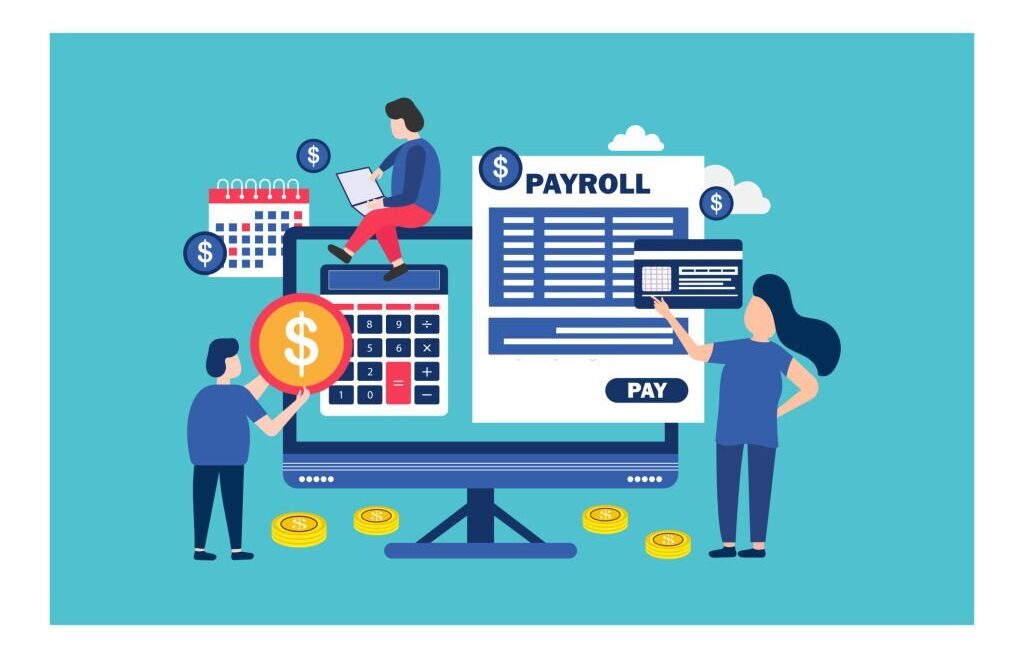
HR automation in the UAE has moved from a back-office efficiency tool to a core business strategy. With Emiratisation compliance deadlines tightening, WPS payroll obligations carrying real financial penalties, and the competition for skilled talent intensifying, UAE companies can no longer rely on manual HR processes to keep up.
This article covers the five most significant HR technology trends defining how UAE businesses hire, manage, retain, and develop people in 2026 — and what each one means in the specific context of the UAE’s regulatory and talent environment.
1. Agentic AI for Talent Management
Hiring in the UAE is no longer about just posting a job and waiting for CVs. It is now driven by intelligent systems that act on their own.
Agentic AI is a new generation of artificial intelligence that does more than give suggestions. It takes action. All without a recruiter manually touching every step, it can:
- Write job descriptions
- Screen thousands of CVs
- Run video interviews
- Analyze candidate sentiment
- Score cultural fit
- Check nationality rules for Emiratization
So, HR teams can filter candidates by skills, experience, and nationality, which helps companies meet Emiratization targets while still hiring the best-fit talent. Companies using this type of AI are cutting their time-to-hire, which is huge in a market where good candidates disappear fast.
Furthermore, in Dubai, many organizations are also integrating GenAI tools with MOHRE systems. This allows HR teams to predict visa timelines, automate offer letters, and personalize onboarding for each employee.
Also, most employee queries are now handled by chatbots. Many HR questions, such as the ones about leave, salary, visas, or policies, never reach a human. This frees HR leaders to focus on strategy, culture, and workforce planning instead of email and paperwork. It also improves employee experience.
2. Comprehensive HR Automation
In the UAE, HR compliance is enforced with real financial penalties. Companies must follow WPS payroll rules, Emiratization quotas, digital contract laws, and visa tracking.
For small companies with 20–49 employees, automation is even more important. If they miss Emiratization targets, they can face fines of up to AED 108,000 per year.
For large companies, it is worse. They can be charged AED 8,000 per month for every unfilled Emirati role.
Doing this manually is risky and slow. This is why full-scale HR automation is becoming common across the country. AI-based platforms automate almost the entire employee lifecycle. So, payroll, attendance, leave, contracts, onboarding, and even exit formalities run on connected systems.
Moreover, digital signatures under the UAE Electronic Transactions and Trust Services Law mean employees can sign contracts, NDAs, and policy documents online with full legal validity. No printing. HR automation systems track all of this in real time. They send alerts and hence prevent violations.
Robotic Process Automation (RPA) is also being used for repetitive tasks like chasing approvals, updating records, and syncing systems. This creates “stagility” (stability + agility).
Big infrastructure projects, government-linked firms, and fast-scaling startups all rely on this balance. And technology is what makes it possible.
For UAE companies, the business case for HR automation is sharpened by compliance risk. Manual payroll processing increases the likelihood of WPS errors, which can trigger regulatory action. Manual Emiratisation tracking leaves companies exposed to fines of AED 8,000 per month per unfilled Emirati role for larger employers. Automated systems remove this risk by flagging gaps in real time, generating compliance reports, and maintaining audit-ready records without HR team intervention.
HRSG’s Octofy platform was built specifically for this environment — automating payroll, attendance, leave management, and Emiratisation tracking in a single system designed for UAE labour law compliance. Learn more about Octofy here.
3. Predictive People Analytics
Most HR problems do not appear suddenly. Building up quietly, attrition, burnout, disengagement, and skill gaps all leave data signals before they become serious issues. Predictive people analytics uses this data to forecast what will happen next.
To predict who might leave, who is struggling, and which skills will soon be missing, UAE companies now analyze:
engagement surveys
overtime patterns
performance trends
external job market data
This matters a lot. Mental health issues alone are estimated to cost UAE companies 3.9 billion AED per year in lost productivity. But, with predictive analytics, HR teams can intervene early.
They can offer flexible schedules. They can also move people to better-fit roles or recommend training. Platforms like Darwinbox go a step further. They track hybrid-work sentiment, manager feedback, and career progression in real time.
4. Skills-Based Hiring Platforms
After the Great Resignation, companies realized that replacing talent is harder than growing it. Skills platforms help them do that. So, UAE companies are shifting to skills-based hiring, where AI-powered ATS systems verify whether a candidate can actually do the job. Python skills, digital marketing ability, data analysis, cloud tools, and industry software now matter more than old certificates.
Some platforms use AI to generate interview questions based on required skills and match candidates using detailed skill filters. This speeds up hiring. It also increases diversity.
With Green Visas and flexible work permits, companies can hire freelancers, remote workers, and specialists much more easily. Skills-based platforms make this practical.
This also protects companies from fake Emiratization, which is illegal quota-filling without real work. AI systems monitor role activity, output, and engagement to ensure compliance is real, not just on paper. Learning and development has also gone digital. Gamified platforms now fund and track upskilling.
5. Hyper-Personalized Employee Experiences
Hyper-personalized employee experience (EX) uses AI to recommend benefits, learning paths, wellness support, and career moves based on individual data. What works for one person does not work for another.
In the UAE, 98% of companies are exploring or using hybrid work models. AI-based portals allow employees to track goals, give feedback, request support, and see real-time updates from anywhere. Moreover, mental health support, compensatory leaves, wellness check-ins, and emotional intelligence training are now built into HR platforms.
The gig economy is also being integrated. Just-in-time freelancers, compliant with UAE visa rules, are managed inside HR systems just like full-time staff. This keeps companies lean. And it keeps talent happy.
FAQs
What is HR automation in the UAE?
HR automation in the UAE refers to using software to handle repetitive HR tasks — payroll processing, attendance tracking, leave management, contract generation, and compliance reporting — without manual intervention. In the UAE context, this includes integration with WPS (Wage Protection System) and MOHRE systems to ensure regulatory compliance.
What are the benefits of HR automation for UAE companies?
The main benefits are reduced compliance risk (especially for WPS and Emiratisation obligations), faster payroll processing, fewer administrative errors, and freeing HR teams to focus on strategic work like talent development and workforce planning rather than paperwork.
Which HR tasks can be automated in the UAE?
Payroll and WPS submission, attendance and leave management, employee onboarding and offboarding, contract generation with e-signatures under UAE Electronic Transactions Law, Emiratisation quota tracking, and routine employee queries via HR chatbots can all be automated.
What HR technology do UAE companies use in 2026?
UAE companies are increasingly using AI-powered HRMS platforms, applicant tracking systems with Emiratisation filters, predictive people analytics tools, and skills-based hiring platforms. Local platforms built for UAE compliance are preferred over global tools that require significant customisation.
How does HR automation help with Emiratisation compliance?
HR automation systems track Emirati headcount in real time against NAFIS targets, alert HR when quota thresholds are at risk, and generate compliance documentation for audits. This significantly reduces the risk of penalties, which can reach AED 8,000 per month per unfilled role for larger companies.